


introduction
Every startup, regardless of industry or Funding Stage, encounters setbacks. These challenges may appear as a failed product launch, lack of market traction, funding delays or internal team issues. What separates successful startups from those that fade away is not the absence of problems but the ability to respond thoughtfully when things go wrong. Early-stage ventures operate in uncertainty, testing assumptions with limited data, which makes setbacks a natural outcome of experimentation. Instead of viewing failure as a dead end, resilient founders treat it as feedback that reveals what the market truly wants and what needs to change for long-term survival.
Understanding When a Pivot Becomes Necessary
A pivot is not an impulsive decision but a strategic response to consistent signals that the current approach is not working. Startups often reach a point where effort and resources are increasing while results remain stagnant. This mismatch forces founders to re-evaluate their value proposition, target audience or business model. Knowing when to pivot requires balancing patience with realism, as pivoting too early can be as damaging as pivoting too late. Founders who rely on customer feedback, usage data and market trends are better positioned to recognize whether the problem lies in execution or in the core idea itself.
How Startups Successfully Navigate the Pivot Process
Navigating a pivot successfully requires clarity, communication and confidence. Founders must align their teams around the new direction while maintaining trust among investors and stakeholders. This phase often involves redefining goals, reallocating resources and resetting expectations. Emotional resilience plays a major role here, as pivots can feel like admitting failure even when they are strategic moves toward growth. Startups that approach pivots with transparency and learning-oriented mindsets tend to emerge stronger, having refined their focus and sharpened their understanding of the market.
Turning Setbacks and Pivots into Long-Term Growth
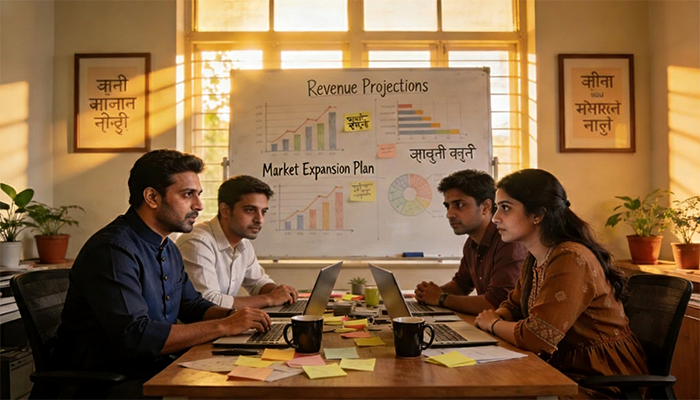
Setbacks and pivots, when handled correctly, become powerful growth catalysts. They force startups to shed assumptions, improve decision-making and build adaptability into their culture. Many successful companies owe their breakthroughs to moments when their original plans failed. By learning from mistakes and applying insights quickly, startups can convert short-term challenges into long-term advantages. Growth is rarely linear and founders who embrace flexibility are better equipped to navigate changing markets and evolving customer needs. Platforms like Marcquity support this mindset by helping startups focus on strategic alignment, resilience and scalable growth rather than rigid execution paths.
Conclusion
Platforms like Marcquity play a vital role by helping founders approach setbacks with structure, insight, and strategic direction. By encouraging data-driven pivots, informed decision-making, and long-term thinking, Marcquity enables startups to transform challenges into opportunities for growth. Ultimately, success in today’s dynamic startup ecosystem belongs to those who combine resilience with the right guidance to adapt and scale sustainably.
FAQs
How do startups recover after failure?
By analyzing what went wrong, learning quickly and adapting their strategy with focus.
When should a startup pivot its business model?
When consistent data and feedback show the current model cannot achieve sustainable growth.
Are pivots a sign of poor planning?
No, pivots reflect responsiveness to real market insights rather than rigid assumptions.
How can founders stay motivated during setbacks?
By viewing challenges as learning opportunities and maintaining a long-term vision